When conflict intensified in 2023, the only safe space for children in this neighborhood was destroyed within days. The playground that had once been filled with laughter stood in ruins. The community center where children had gathered for activities was reduced to rubble. For the children who remained in the area, this meant more than lost playtime. It meant the loss of the only place where they could forget the sounds of war. Many had already witnessed things no child should see. The playground had been the one place where they could still feel like children.
"I remember walking past the rubble every day and seeing children just staring at it," said one mother, whose five children had played there every afternoon. "Nobody laughed anymore. Nobody ran. It felt like we had lost their childhood along with everything else."
When Karuna field team arrived in the region in late 2023, the priority was not immediately rebuilding the physical structure — though that was needed. It was creating safety. Families who had been displaced, traumatized, and forgotten by short-lived aid efforts in the past were understandably cautious. The first weeks were spent simply listening — understanding what the community believed its children needed to heal, rather than arriving with predetermined solutions.
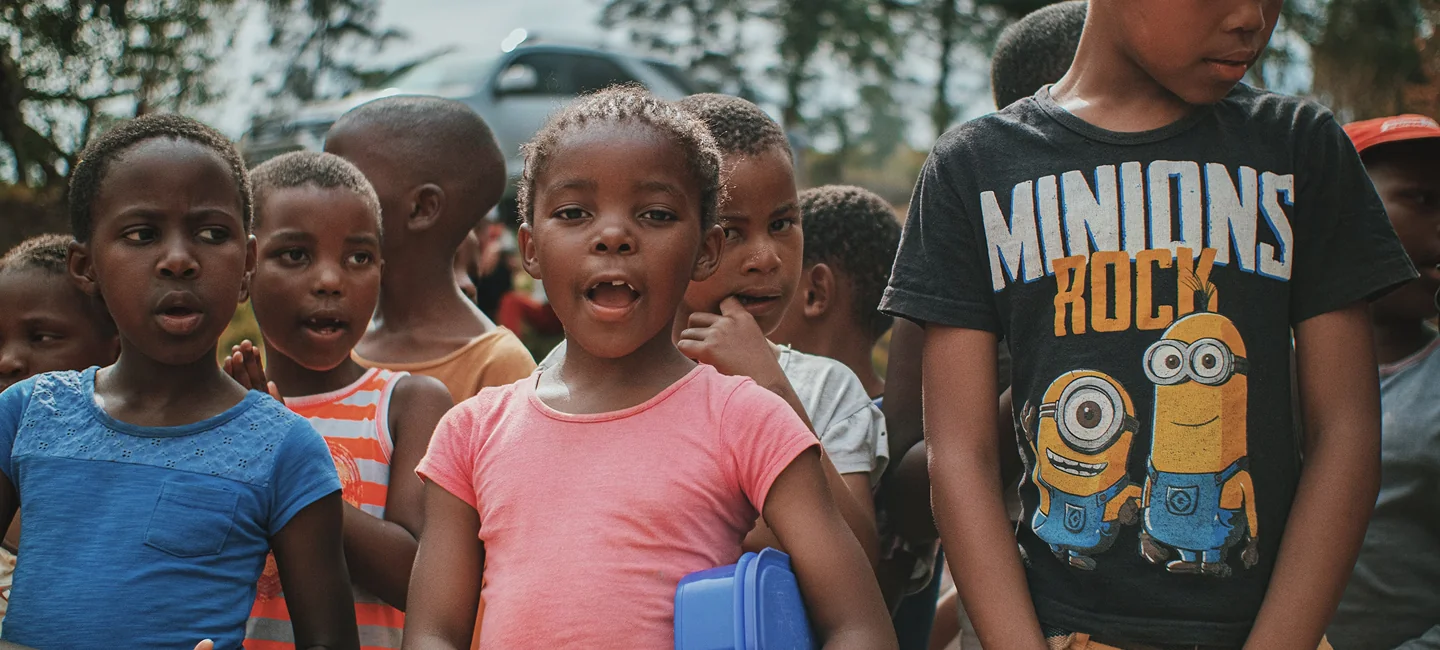

That listening shaped everything that followed. Rather than rebuilding the playground exactly as it was, the community proposed something simpler and more meaningful: a child-friendly space that could be easily set up and moved if needed. It would not look like a playground in the traditional sense. But it would function as one, immediately.
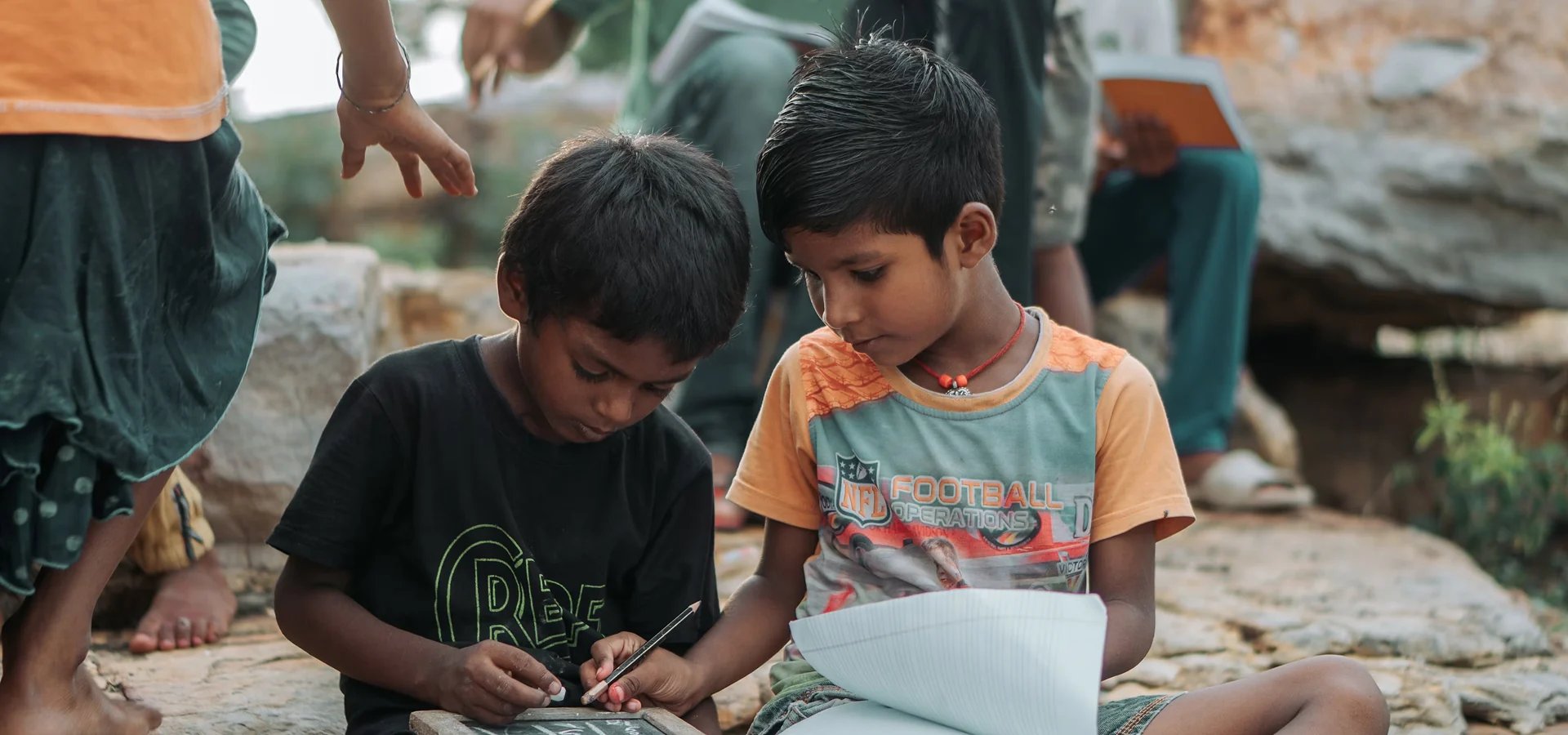
Karuna provided materials to create a safe, enclosed space with simple play equipment, art supplies, and trained child-friendly space facilitators. For a community that had been without any safe space for children for almost two years, this was not a minor addition. It was, for many children, the first time they had felt safe enough to play and laugh again. The first week, only a handful of children showed up. Trust takes time to rebuild. By the end of the second week, the space was filled with laughter, drawing, and children running freely.
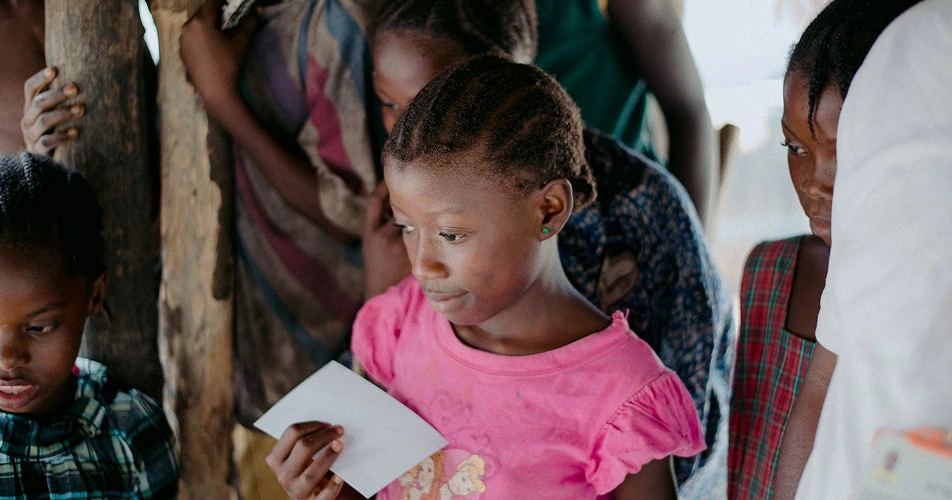
One of the child-friendly space facilitators, Layla, had grown up in the neighborhood herself. She described the first weeks back as "relearning how to teach play and trust in the same hour." Several children needed time before they could laugh freely. Others arrived early every day, unwilling to miss the one place where they could feel like children again.
By the fourth month, attendance had grown to more than 150 children — nearly all the children in the neighborhood. The community, with Karuna continued support, began discussing how to rebuild the larger community center.
I remember walking past the rubble and seeing children staring at nothing. Now I hear their laughter every afternoon, and I don't have to wonder if they have forgotten how to be children.