When violence erupted in 2021, more than 2,500 families were forced from their homes. Neighbors turned against neighbors. Communities that had lived together for generations were suddenly divided. The market that had once been the heart of the town stood empty. The church where families had gathered for generations was reduced to rubble. For the people who remained, this meant more than physical destruction. It meant the loss of trust itself. Many had lost family members, friends, and everything they had built. The town had become a place of suspicion, not of community.
"I remember walking through the market and seeing nothing but empty stalls," said one community leader, whose family had lived in the town for five generations. "Nobody talked to each other anymore. It felt like we had forgotten how to be neighbors."
When Karuna field team arrived in the region in early 2023, the priority was not immediately rebuilding infrastructure — though that was needed. It was rebuilding trust. Families who had been betrayed, displaced, and abandoned by broken promises in the past were understandably hesitant. The first weeks were spent simply walking through the community — understanding what the people believed they needed to heal, rather than arriving with predetermined solutions.
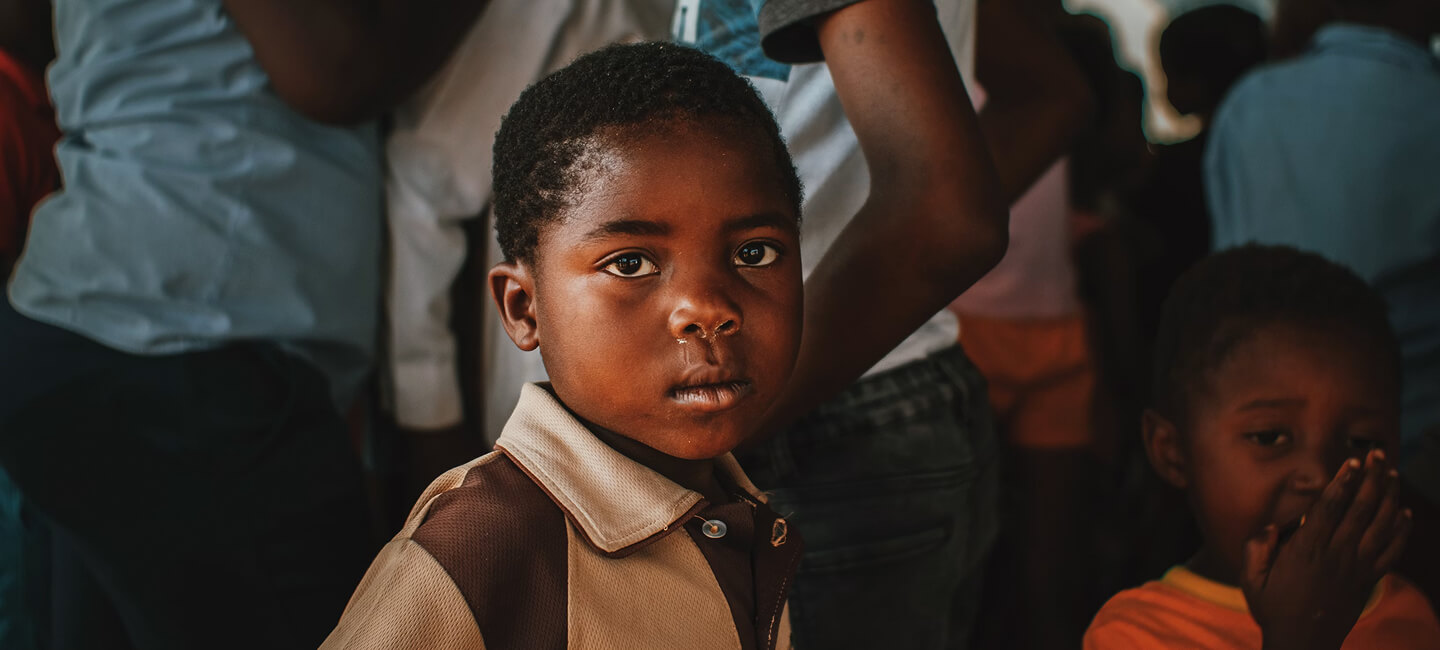

That listening shaped everything that followed. Rather than rebuilding the market or the church first, the community proposed something simpler and more powerful: a community gathering space where people could come together, share meals, and relearn how to be neighbors. It would not erase the pain of the past. But it would create space for healing to begin.
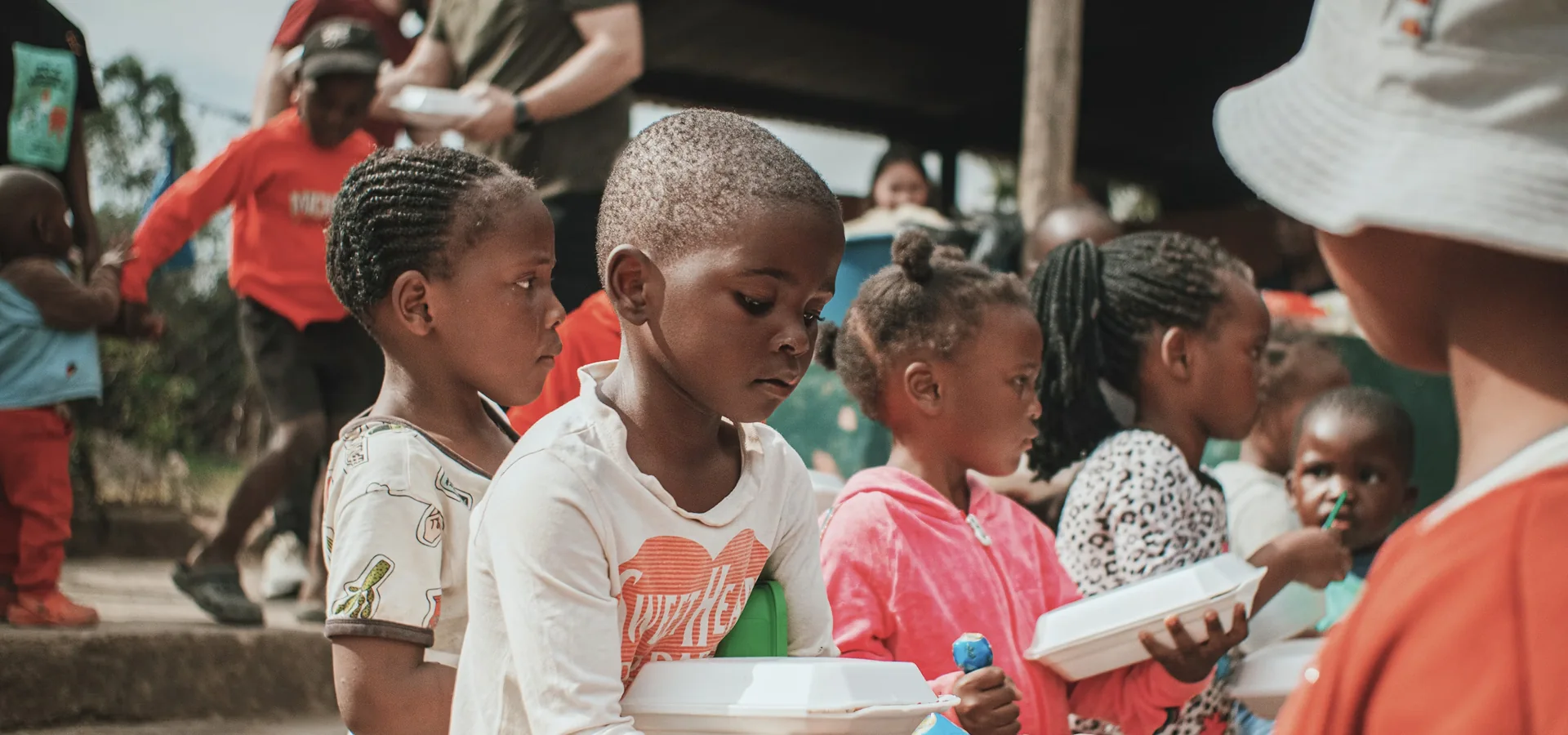
It’s provided materials to build a simple community center, a small stipend to support community-led activities, and — critically — more than 300 seeds and tools to help families grow shared gardens and rebuild their connection to the land. For a community that had been divided by violence for years, this was not a minor addition. It was, for many families, the first time they had worked side by side with their former neighbors. The first gathering, only a few people showed up. Trust takes time to rebuild. By the end of the second week, the center was filled with cooking, conversation, and children playing together.
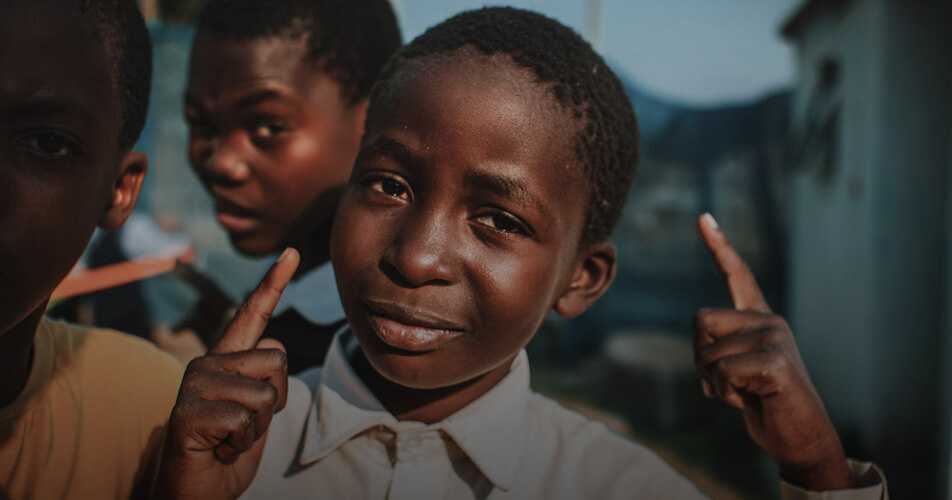
One of the community elders, Marcel, had witnessed the violence that tore his community apart. He described the first weeks of the gathering space as "relearning how to share a meal and a story in the same hour." Several families needed time before they could sit next to each other again. Others arrived early every day, unwilling to miss the one place where they could feel like a community again.
By the fourth month, the community center had become the heartbeat of the town — a place where families shared meals, children played safely, and neighbors rebuilt the bonds that had been broken. The community, with Kitshed's continued support, began discussing how to rebuild the market and the church next.
I remember walking through the market and seeing nothing but empty stalls. Now our community gathers together every evening, and I don't have to wonder if we will ever be neighbors again.