When conflict erupted in 2022, the only secondary school in this district was destroyed within weeks. Classrooms that had once been filled with eager students stood as hollow shells. The library, which had held the only collection of books for miles, was burned to the ground. For the young people who remained in the area, this meant more than lost lessons. It meant the loss of their only path to a future beyond the conflict. Many had already been displaced multiple times. School had been the one place where they could still imagine a life beyond the war.
"I remember walking past the ruins every day and seeing the children just standing there," said one teacher, who had taught at the school for fifteen years. "Nobody talked about education anymore. It felt like we had burned their futures.”
When Karuna field team arrived in the region in early 2023, the priority was not immediately rebuilding the school building — though that was needed. It was rekindling the love of learning. Families and young people who had been displaced, traumatized, and disappointed by broken promises in the past were understandably hesitant. The first weeks were spent simply sitting with students and families — understanding what they believed they needed to return to learning, rather than arriving with predetermined solutions.
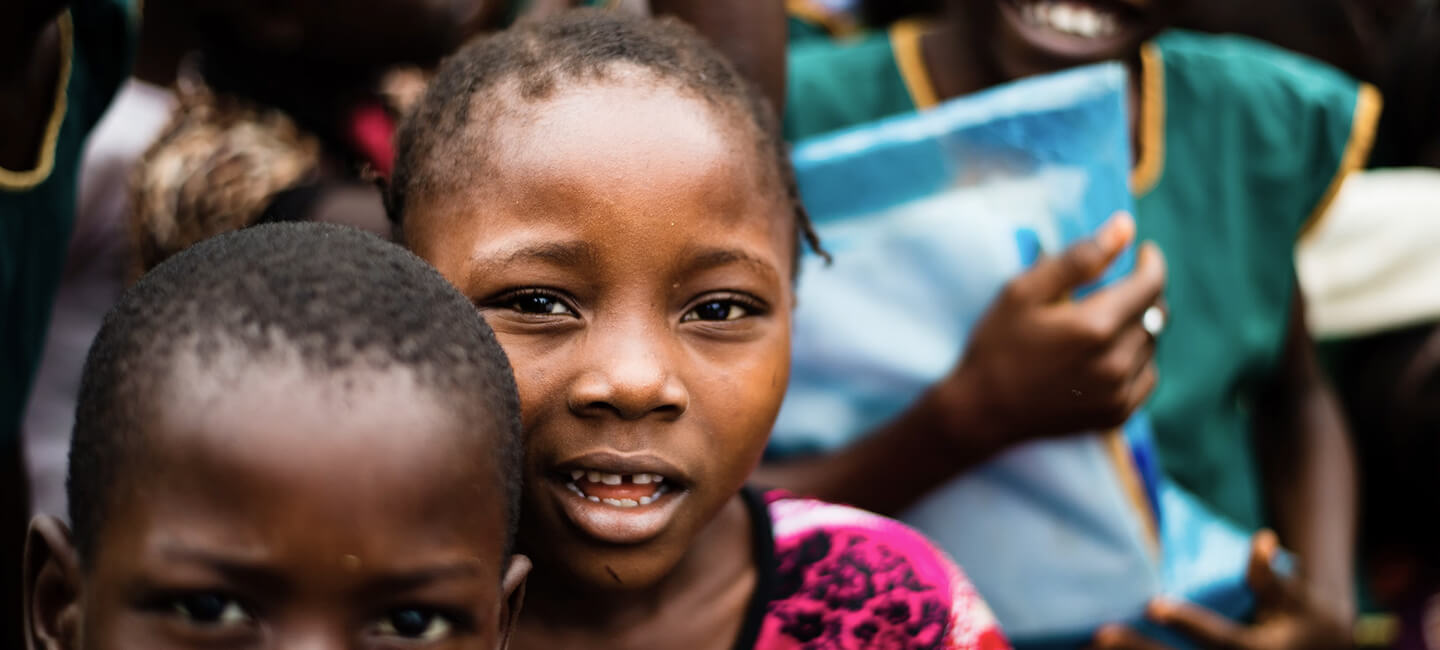

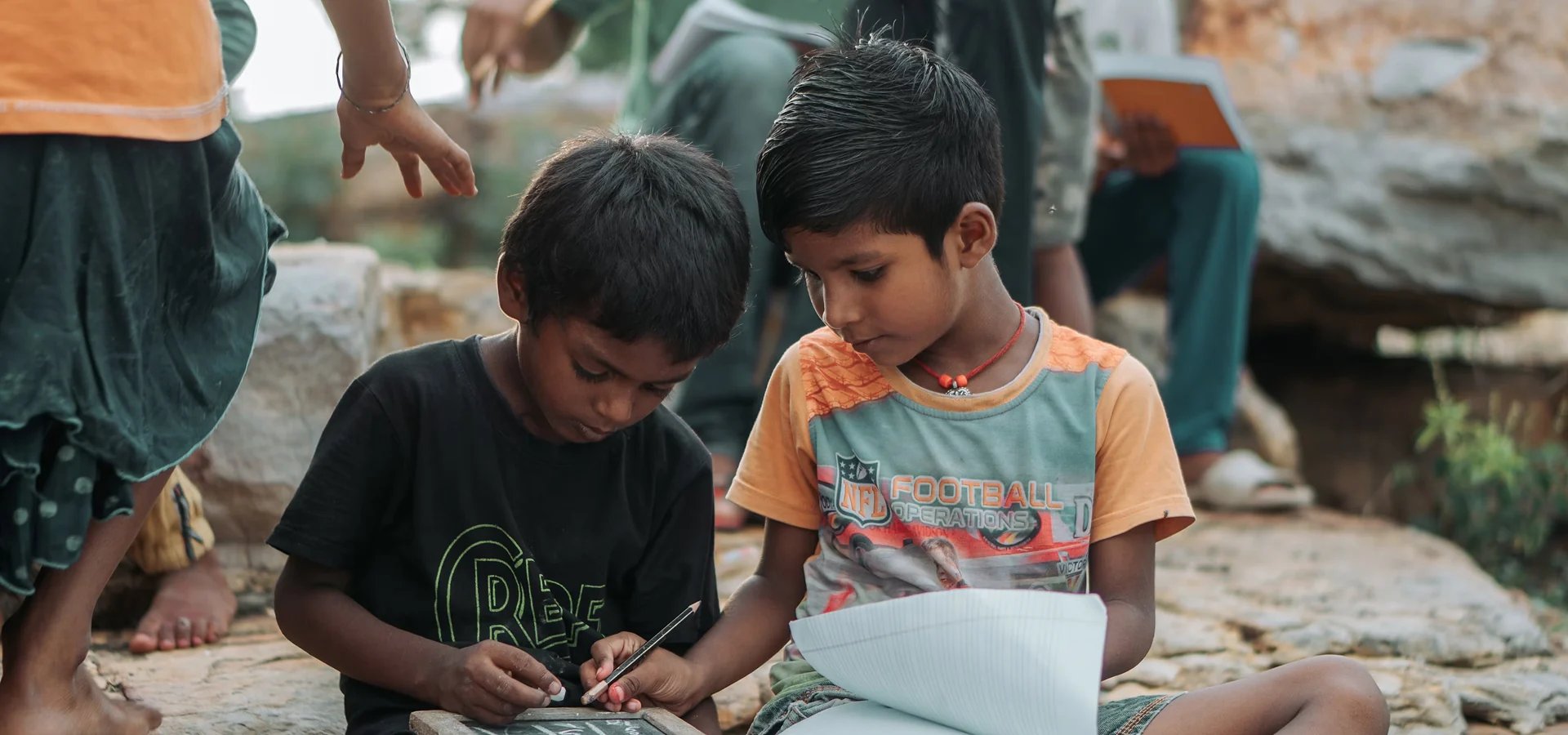
That listening shaped everything that followed. Rather than waiting to rebuild the permanent structure, the community proposed something simpler and faster: temporary learning spaces that could be set up in any available building. It would not look like a school in the traditional sense. But it would function as one, immediately.
Karuna provided basic learning materials, a small stipend to support returning teachers, and — critically — more than 1,000 books to replace what had been lost in the fire. For young people who had been without any learning materials for almost two years, this was not a minor addition. It was, for many students, the first time they had held a book since the war began. The first day, only fifteen students showed up. Trust takes time to rebuild. By the end of the second week, that number had grown to over a hundred.
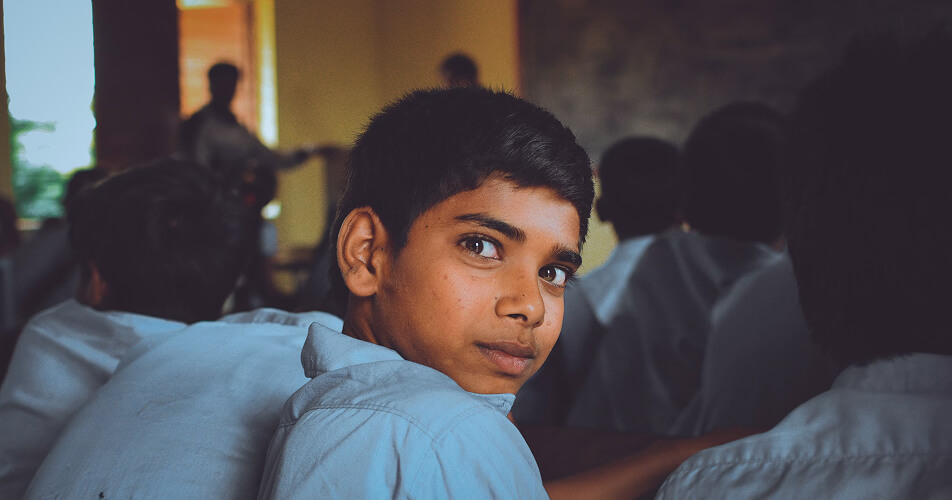
One of the returning teachers, Haile, had taught at the original school for twelve years before its destruction. He described the first weeks back as "relearning how to teach hope and history in the same hour." Several students needed time before they could concentrate. Others arrived early every day, unwilling to risk being late to something they had waited so long to have back.
By the fourth month, attendance had stabilized at just under 200 students — more than half of the district's school-age population. The community, with Kitshed's continued support, began discussing how to rebuild the permanent school.
I remember walking past the ruins and seeing our children's futures in ashes. Now they carry books to class every morning, and I don't have to wonder if their dreams have died.