When violence forced more than 3,000 families from their homes in 2022, the community that had already fled once before found itself starting over yet again. Shelters were rebuilt. Water points were established. But something deeper was missing — the sense that tomorrow could be better than today. For the families who lived there, this meant more than physical hardship. It meant the loss of hope itself. Many had already survived multiple displacements. Each time, they had rebuilt. Each time, they had lost again. The camp had become a place of survival, not of living.
"I remember looking around and seeing nothing but tired faces," said one mother, whose four children had grown up entirely in displacement. "Nobody smiled anymore. Nobody talked about the future. It felt like we were just waiting for the next disaster."
When Karuna field team arrived in the region in early 2023, the priority was not immediately food or shelter — though those were needed. It was listening. Families who had been displaced, overlooked, and forgotten by short-lived aid efforts in the past were understandably wary. The first weeks were spent simply being present — understanding what the community believed it needed to heal, rather than arriving with predetermined solutions.
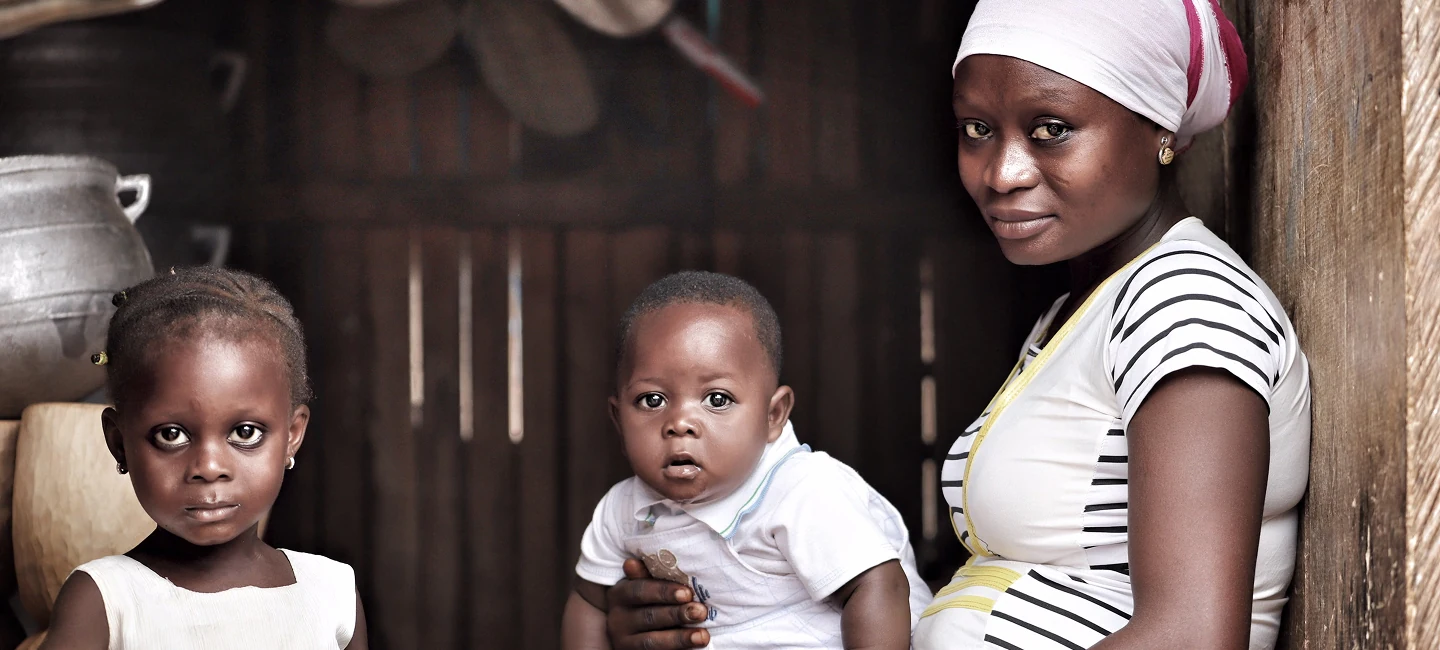

That listening shaped everything that followed. Rather than imposing programs from outside, the community proposed something simpler and more meaningful: a community healing space where families could gather, share meals, and rebuild connections. It would not look like a traditional aid program. But it would function as one, immediately.
Karuna provided materials for a communal kitchen and gathering space, a small stipend to support community-led activities, and — critically — more than 500 seeds and gardening tools to help families grow their own food and reclaim a sense of agency. For a community that had been dependent on aid for years, this was not a minor addition. It was, for many families, the first time they had felt empowered to shape their own future. The first gathering, only a handful of families showed up. Trust takes time to rebuild. By the end of the second week, the space was filled with laughter, cooking, and children playing.
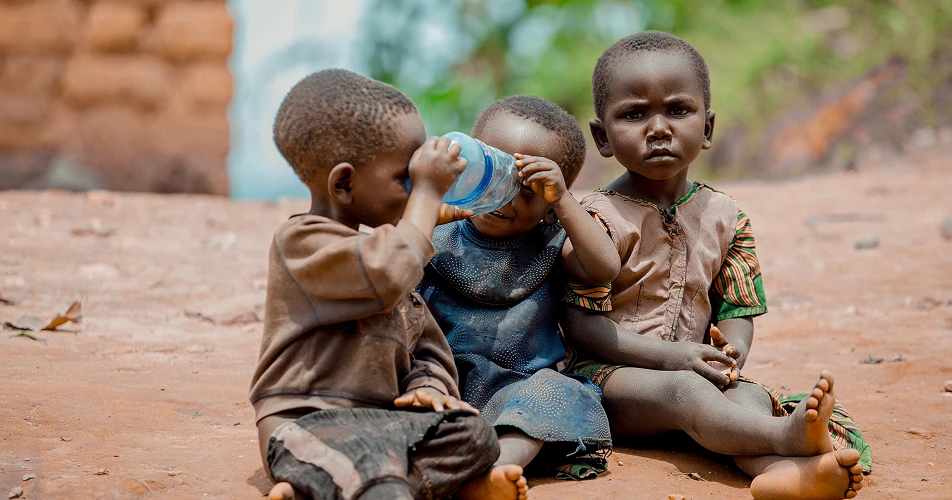
One of the community leaders, Rashida, had lived in displacement for over a decade. She described the first weeks of the healing space as "relearning how to laugh and dream in the same hour." Several families needed time before they could trust again. Others arrived early every day, unwilling to miss the one place where they could feel human again.
By the fourth month, the community space had become the heart of the camp — a place where families shared meals, children played safely, and women gathered to support one another. The community, with Kitshed's continued support, began discussing ways to expand the program to reach even more families.
I remember walking through the camp and seeing nothing but tired faces. Now I hear laughter every evening, and I don't have to wonder if my children have forgotten how to dream.