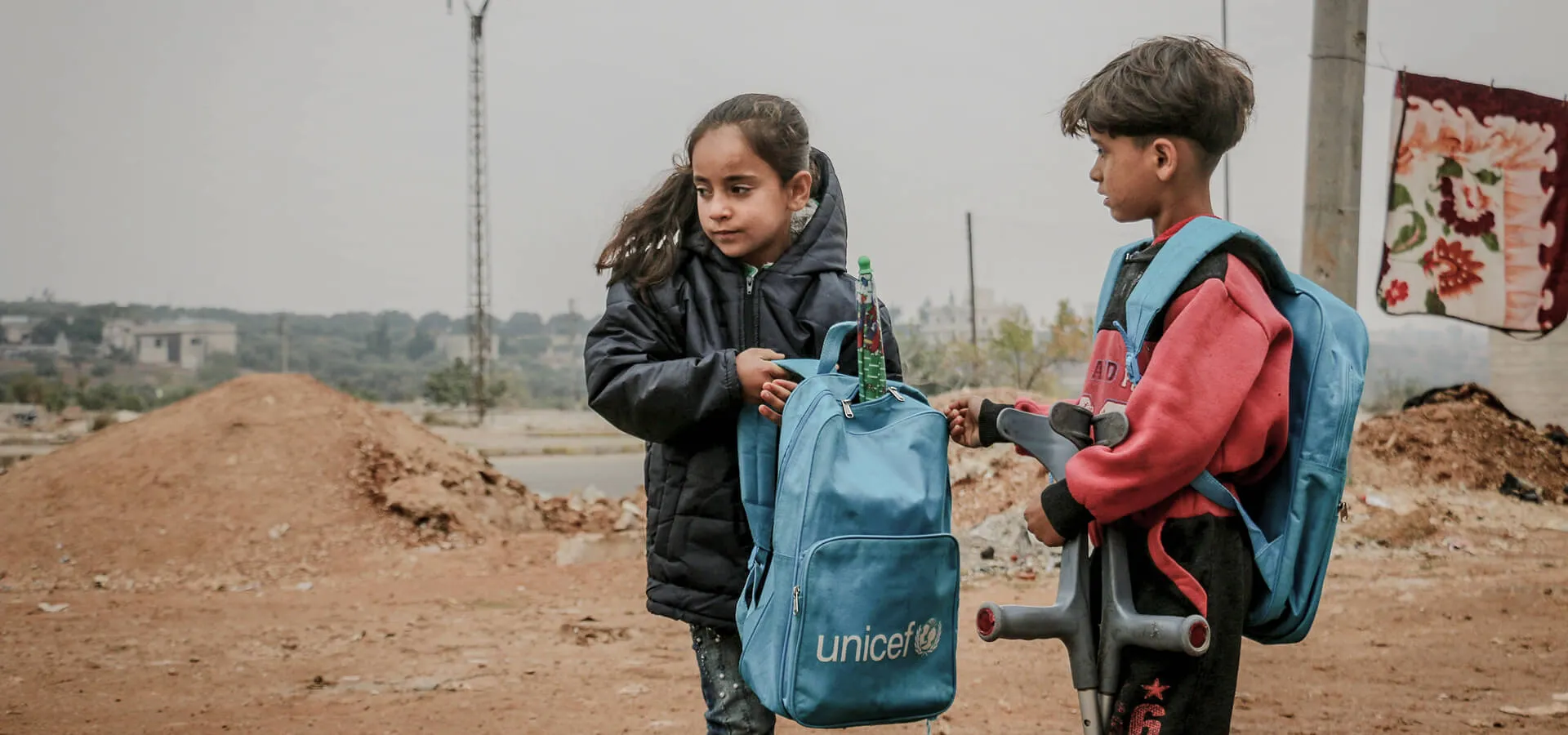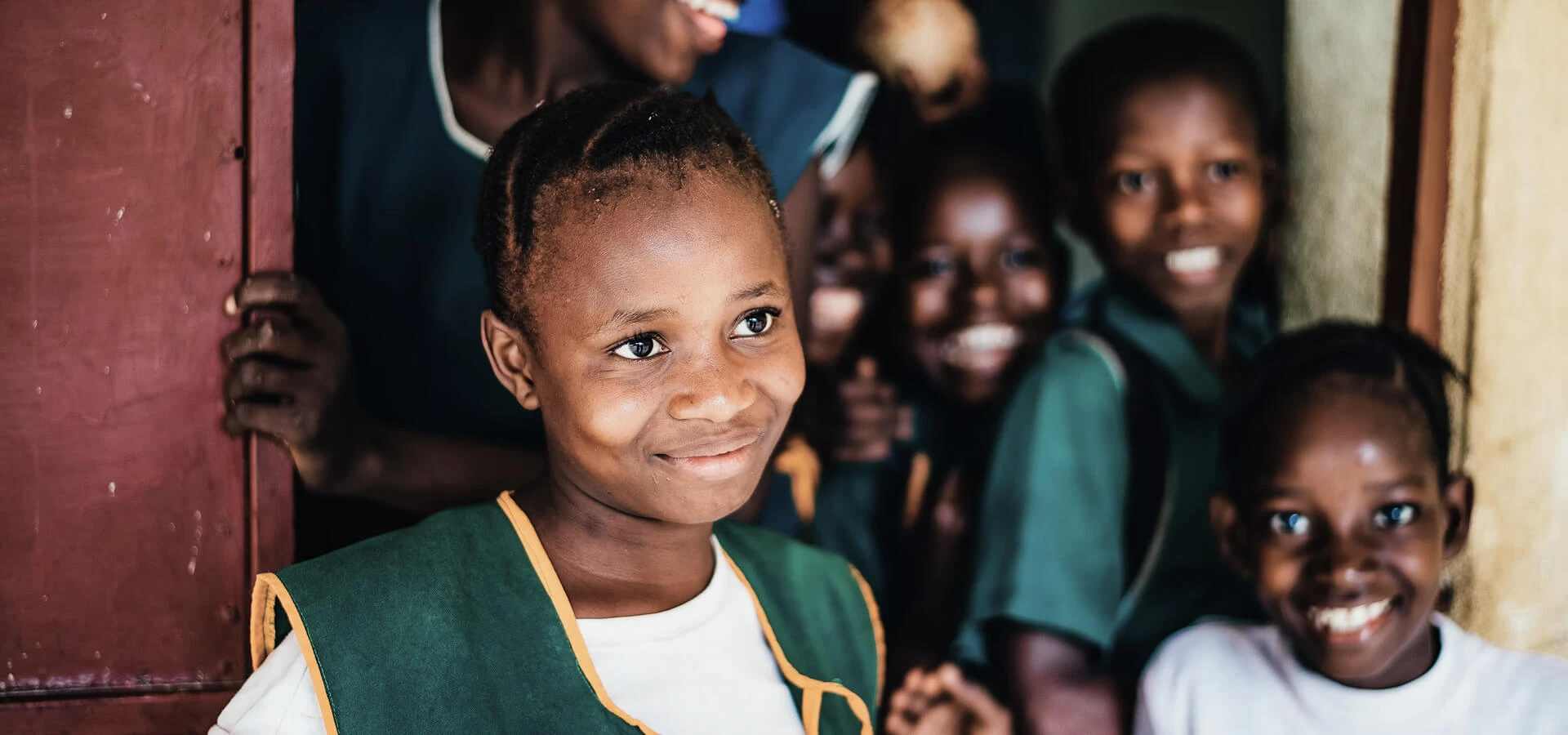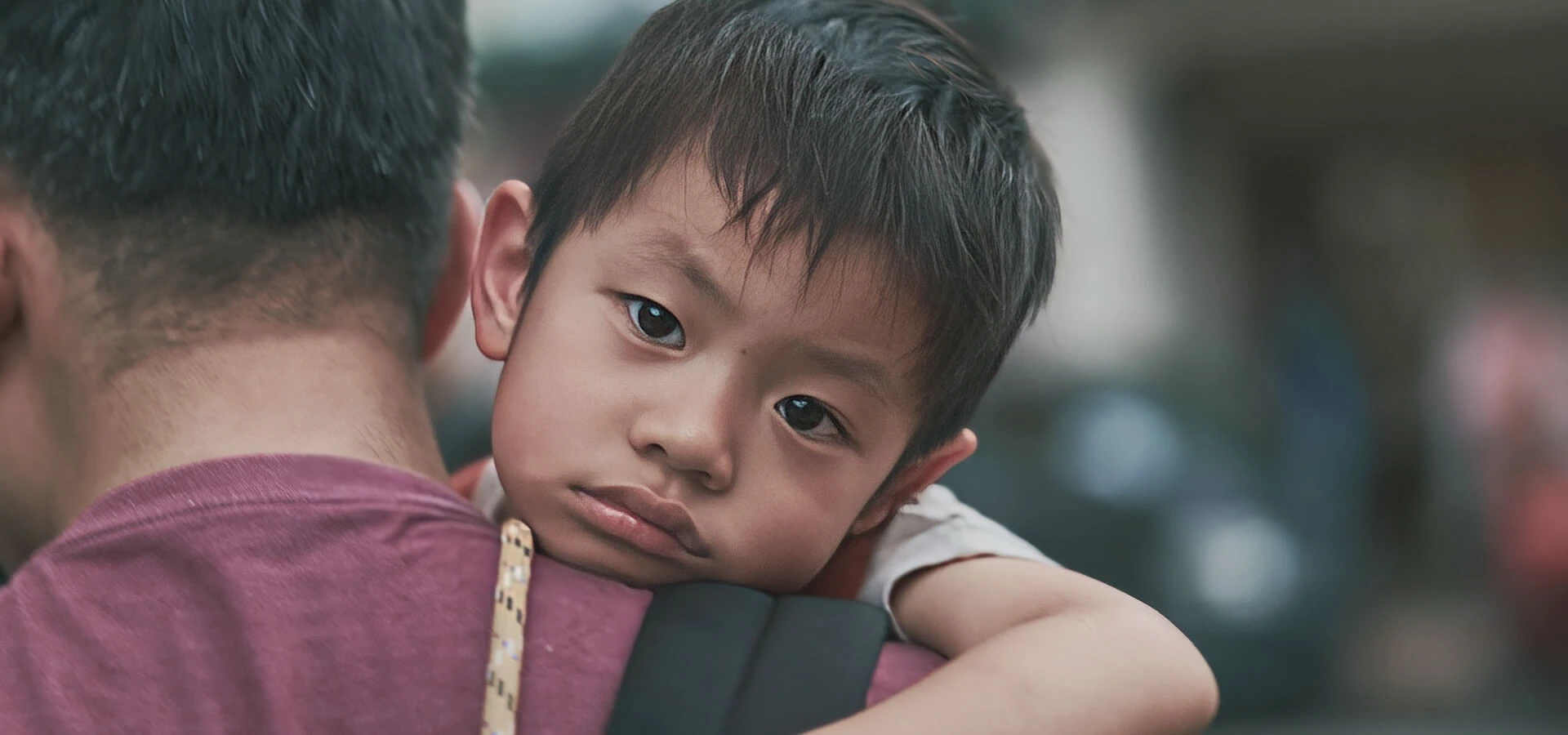
When emergency responders pack up and leave, families are often left to pick up the pieces on their own. The tents remain, the food supplies dwindle, and the world's attention moves on to the next crisis. But for families who have lost everything, the end of the emergency response is just the beginning of a much longer journey. This article explores what it truly means to support families beyond emergency response, based on field experience.
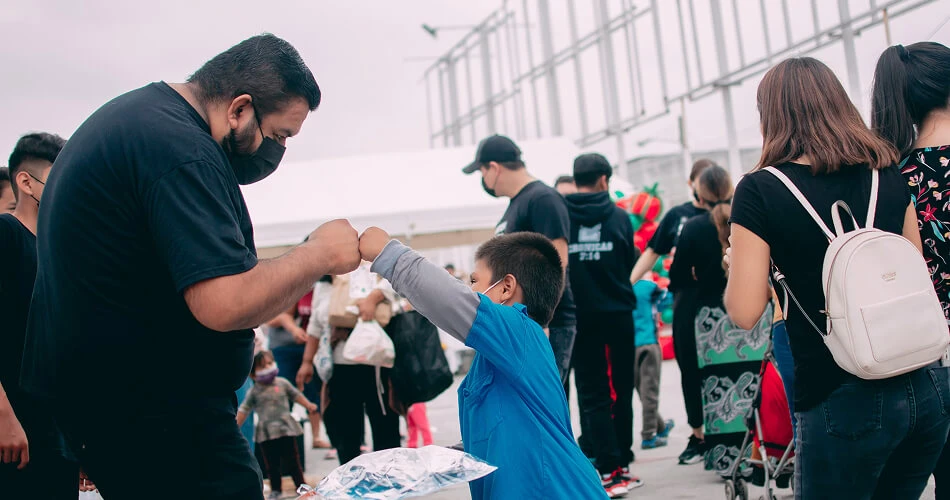

In the immediate aftermath of a crisis, the humanitarian system mobilizes quickly. Aid agencies rush in with food, water, shelter, and medical care. The global community rallies with donations and attention. But this emergency phase—while essential—is relatively short. Within weeks or months, most aid organizations scale back their operations, redirecting resources to the next emergency.
For families, this is when the real struggle begins. The initial relief supplies run out. The temporary shelter becomes a permanent home. Parents who lost their jobs or livelihoods have no way to earn income. Children who have already missed months of school struggle to catch up. The trauma of what they experienced lingers, often without ongoing support. Communities that were once connected by shared history and culture are now fractured by displacement and loss.
Families face impossible choices. Should they spend what little money they have on food for today or on school supplies for their children's future? Should they stay in displacement camps where there is some safety but no opportunity, or return to homes that may no longer exist? Should they marry off their daughters to reduce the number of mouths to feed? These are not hypothetical questions—they are daily realities for millions of families living in the shadow of crisis.
Emergency relief often provides in-kind assistance—food, blankets, cooking supplies—which is essential in the immediate aftermath. But beyond the emergency phase, cash transfers offer families greater flexibility and dignity. Families can use cash to meet their most urgent needs, support local businesses, and invest in their own recovery. Cash assistance also helps families regain a sense of agency and control over their lives, which is often stripped away by crisis.
For displaced families, housing is often the most urgent and persistent need. Beyond emergency shelters, families need durable housing solutions that provide safety, privacy, and dignity. This includes transitional shelters, rental assistance, and support for families returning to rebuild their homes.
The psychological impact of crisis does not end when emergency responders leave. Trauma, grief, and anxiety persist for years, affecting individuals, families, and entire communities. Psychosocial support programs—including counseling, support groups, and community healing activities—help families process their experiences and rebuild their emotional well-being.
Children who have experienced crisis are at risk of falling behind academically and socially. Education programs that extend beyond the emergency phase help children catch up, stay in school, and build a foundation for their future. This includes catch-up classes, school feeding programs, and support for families to afford school fees and supplies.
Supporting families beyond emergency response is not just the right thing to do—it is the smart thing to do. When families are supported to recover and rebuild, they become engines of economic growth, social stability, and community resilience. They invest in their children's education, contribute to local economies, and participate in the social and political life of their communities.
Conversely, when families are left unsupported, the consequences are severe and long-lasting. Children who grow up in poverty and instability are more likely to remain poor, less likely to achieve their potential, and more vulnerable to recruitment by armed groups or involvement in crime. Communities that are not supported to recover are more likely to experience renewed conflict and instability.