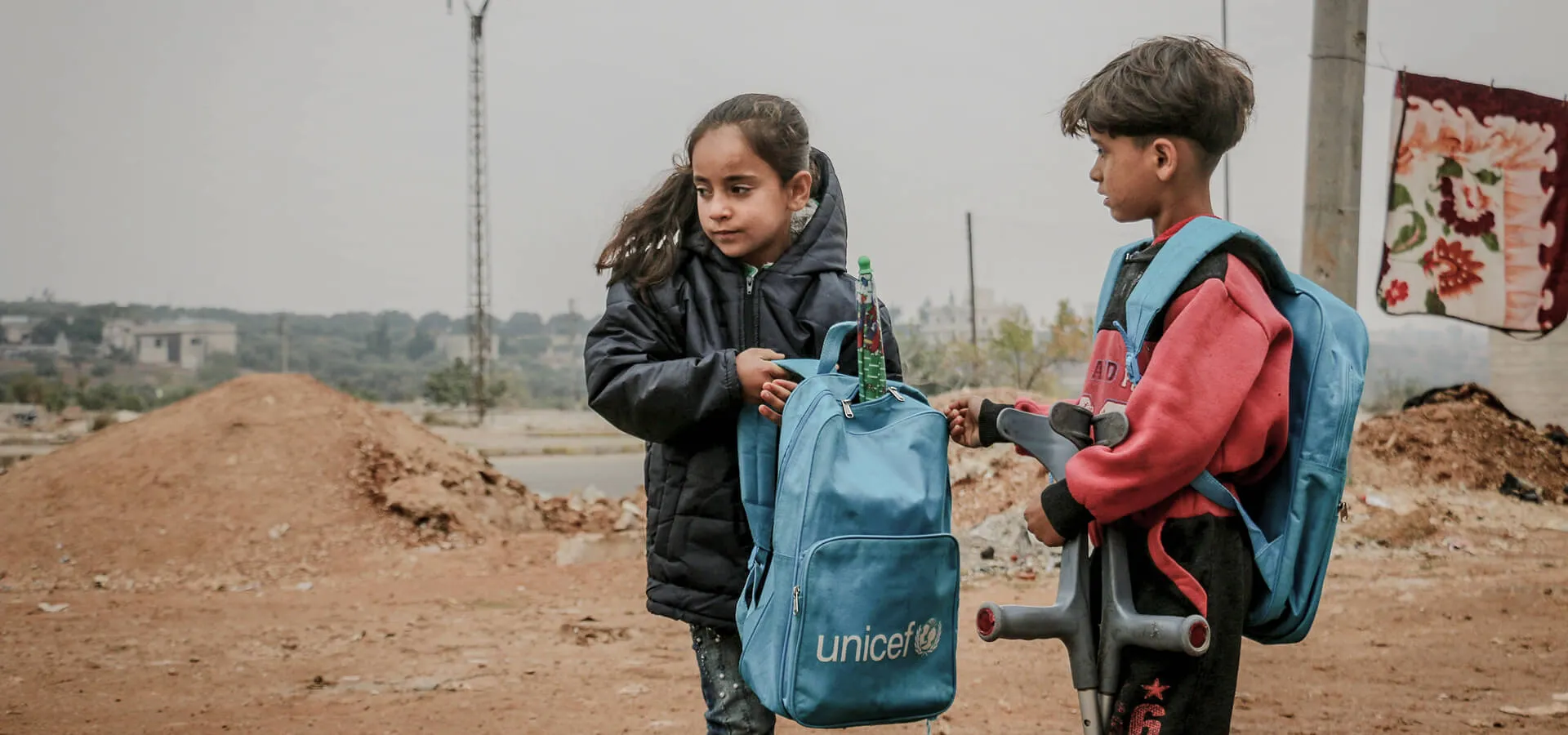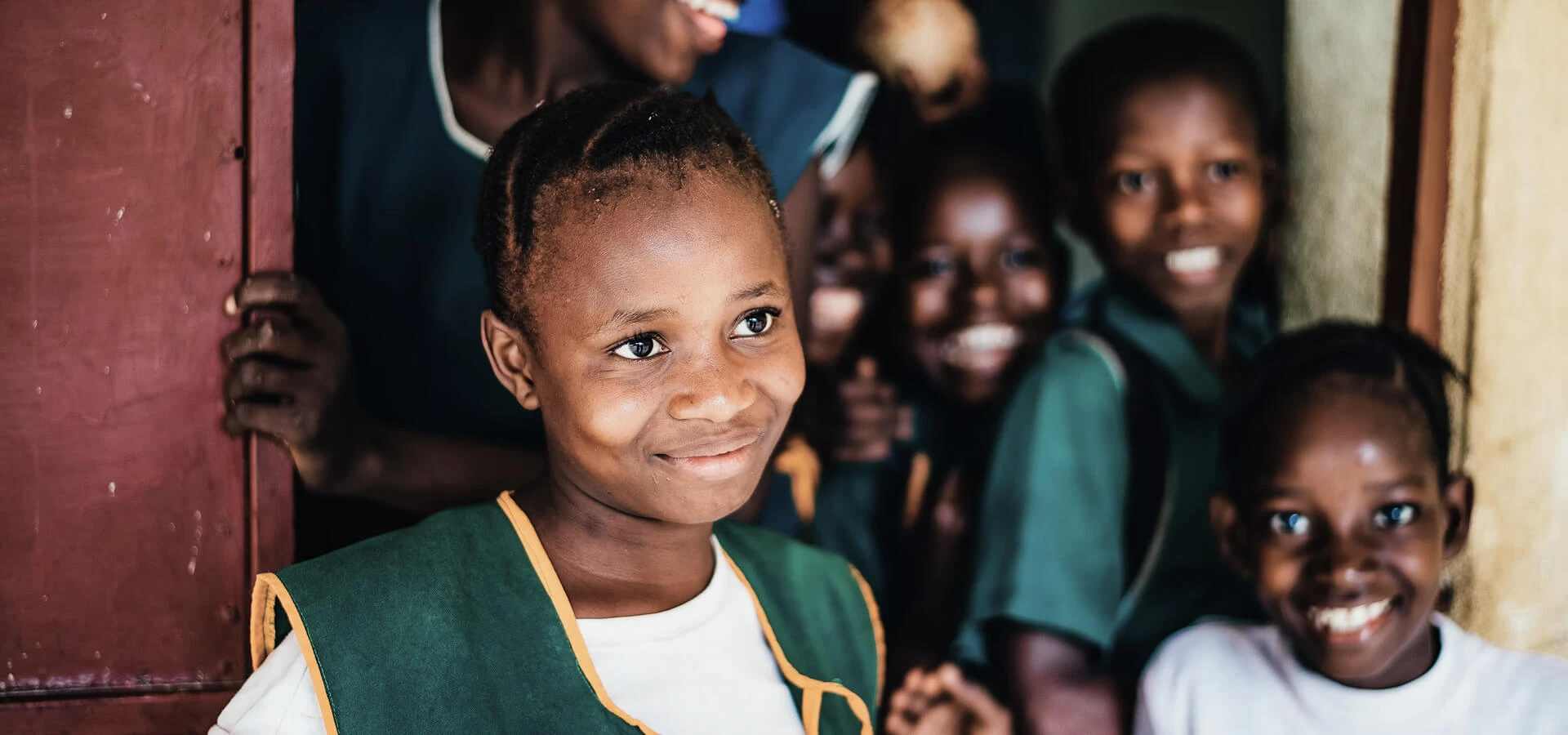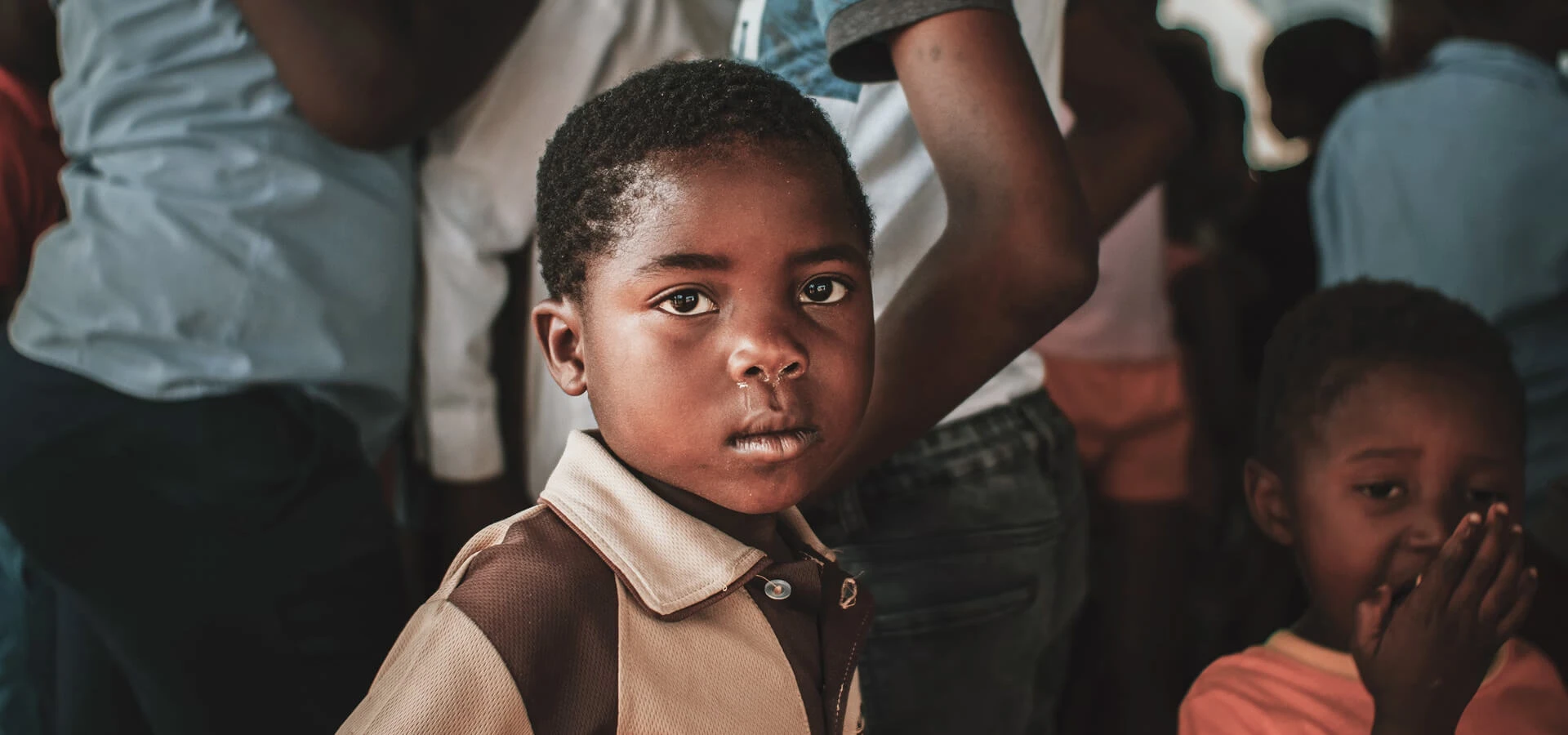
In humanitarian emergencies, food is often the first and most visible need. But nutrition is about more than just filling empty stomachs. It is about building the foundation for recovery, resilience, and a future free from the cycle of poverty and malnutrition. This article explores what truly works in using nutrition to support long-term recovery and resilience, based on field experience, community-led approaches, and humanitarian best practices.
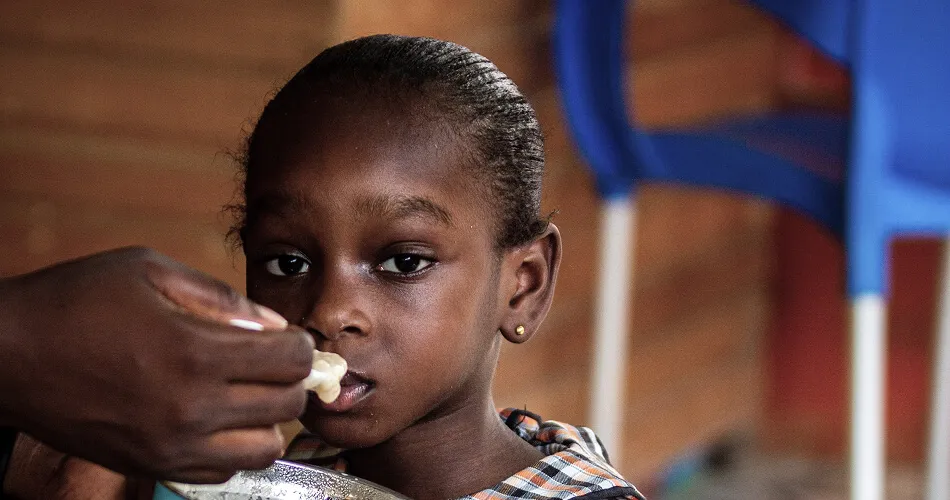

When conflict or disaster strikes, nutrition is often one of the first things to suffer. Food systems collapse. Markets shut down. Families lose their livelihoods. Crops are destroyed or abandoned. Children who were already vulnerable become acutely malnourished. Families who were barely getting by are pushed over the edge into hunger and desperation.
The consequences of malnutrition are devastating and far-reaching. For children, malnutrition in the first 1,000 days of life causes irreversible damage to physical and cognitive development. Malnourished children are more susceptible to disease, less able to learn, and less likely to reach their full potential as adults. For adults, malnutrition reduces productivity and earning potential, perpetuating the cycle of poverty. For communities, malnutrition weakens social cohesion, increases health costs, and reduces economic output.
But the impact of nutrition goes far beyond the immediate effects of hunger. Malnutrition is both a cause and a consequence of poverty, conflict, and instability. It weakens immune systems, making communities more vulnerable to disease outbreaks. It limits children's ability to learn, undermining education and human capital. It reduces productivity, slowing economic recovery and growth. And it deepens inequality, as the most vulnerable are hit hardest.
Nutrition cannot be addressed in isolation. It must be integrated with health programs that address the underlying causes of malnutrition—disease, infection, and lack of access to healthcare. Integrated programs combine nutrition screening and treatment with immunization, deworming, malaria prevention, and treatment for childhood illnesses.
Community-based management of acute malnutrition (CMAM) is a proven approach for treating malnutrition in emergency settings. It involves screening children in the community, providing treatment at health facilities for severe cases, and providing community-based support for moderate cases.
The first 1,000 days—from conception to a child's second birthday—are critical for nutrition. During this period, nutrition has a lasting impact on a child's physical and cognitive development. Maternal nutrition programs—including prenatal care, iron and folic acid supplementation, and nutrition counseling—ensure that mothers are healthy and well-nourished during pregnancy.
Micronutrient deficiencies—including deficiencies in iron, vitamin A, iodine, and zinc—affect millions of children and families in crisis-affected communities. These deficiencies have devastating consequences for health, development, and productivity.
Nutrition is not just about saving lives—it is about building futures. When children are well-nourished, they are healthier, better able to learn, and more productive as adults. They are less vulnerable to disease and less likely to be trapped in the cycle of poverty. When communities are well-nourished, they are stronger, more resilient, and better able to recover from crises and build a better future.
Investing in nutrition is one of the most cost-effective investments in human development. Every dollar spent on nutrition yields significant returns in health, education, and productivity. Nutrition programs are also essential for achieving the Sustainable Development Goals, including ending poverty, ending hunger, and ensuring healthy lives.