When disaster strikes—whether through war, earthquake, flood, or famine—the first priority is always survival. Food, water, shelter, and medical care save lives in the immediate aftermath. But true emergency relief goes far beyond keeping people alive. It lays the foundation for recovery, resilience, and long-term hope. This article explores what it means to deliver emergency relief that doesn't stop at survival, based on field experience, community-led approaches.

In the immediate aftermath of a humanitarian crisis, the world responds with urgency. Aid trucks roll in, medical teams deploy, and emergency shelters are erected. These life-saving interventions are essential—without them, thousands would perish in the first days and weeks of a disaster. But survival is only the beginning of the journey.
For families who have lost everything, the weeks and months following a crisis are often the most difficult. Emergency supplies run out. Displacement becomes prolonged. Children miss months or even years of school. Parents struggle to find work. The trauma of what they have experienced lingers, often without adequate mental health support. Communities that were once cohesive are fractured by loss and displacement.
The humanitarian system has historically focused on the acute phase of a crisis, but this approach leaves a critical gap. When emergency funding dries up and media attention fades, families are left to rebuild their lives with little support. Survival is not the finish line—it is the starting point. True emergency relief must bridge the gap between immediate response and long-term recovery, ensuring that families don't just survive the crisis but thrive beyond it.
Traditional relief often delivers physical supplies—food, blankets, cooking utensils—which can be logistically challenging and culturally mismatched. Cash-based assistance gives families the flexibility to purchase what they need most, when they need it. It also supports local economies by putting money directly into the hands of local vendors and markets. Families can use cash to buy food that fits their dietary needs, pay for transportation to safety, or cover medical expenses.
Emergency relief that stops at survival provides basic medical care and leaves. But true recovery requires integrated health and nutrition programs that continue beyond the emergency phase. This includes maternal and child health services, vaccination campaigns, treatment for chronic conditions, and nutrition rehabilitation for malnourished children. These programs address the root causes of poor health and build resilience against future crises.
The psychological toll of disaster is often invisible but devastating. Children who have witnessed violence, lost loved ones, or been displaced carry trauma that can affect their development for years. Psychosocial support—including counseling, peer support groups, play therapy, and community healing activities—helps individuals and communities process their experiences and rebuild their emotional well-being. This support must be integrated into emergency response from day one.
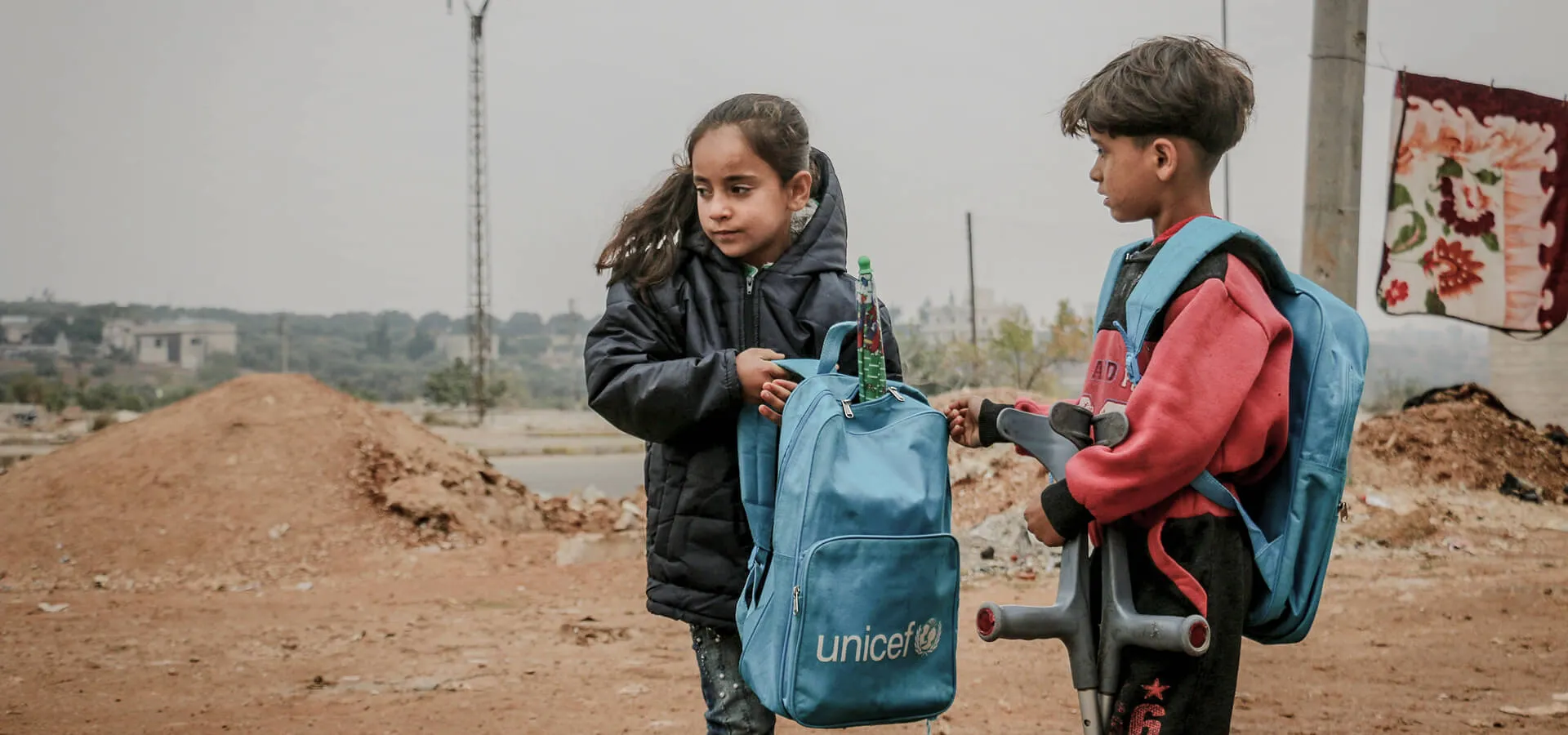
When children are out of school for extended periods, they fall behind academically and lose the structure and social connection that school provides. Education in emergencies programs establish temporary learning spaces, provide learning materials, and train teachers to work in crisis settings. These programs help children continue their education and return to formal schooling when conditions stabilize. Education is not a luxury in emergencies—it is a lifeline.
Emergency relief that stops at survival treats people as victims to be saved rather than survivors with the capacity to rebuild. It addresses symptoms but not root causes. It provides temporary solutions for problems that demand permanent change. And too often, it leaves communities in a state of dependency rather than empowerment.
True relief recognizes that every family has the strength, resilience, and potential to recover—if given the right support at the right time. It bridges the gap between immediate needs and long-term development. It invests not just in saving lives but in building futures. It understands that recovery is not a single event but a process that takes months.